Blog
Research on real malware, incident guides for hosting servers and notes on how our products work.
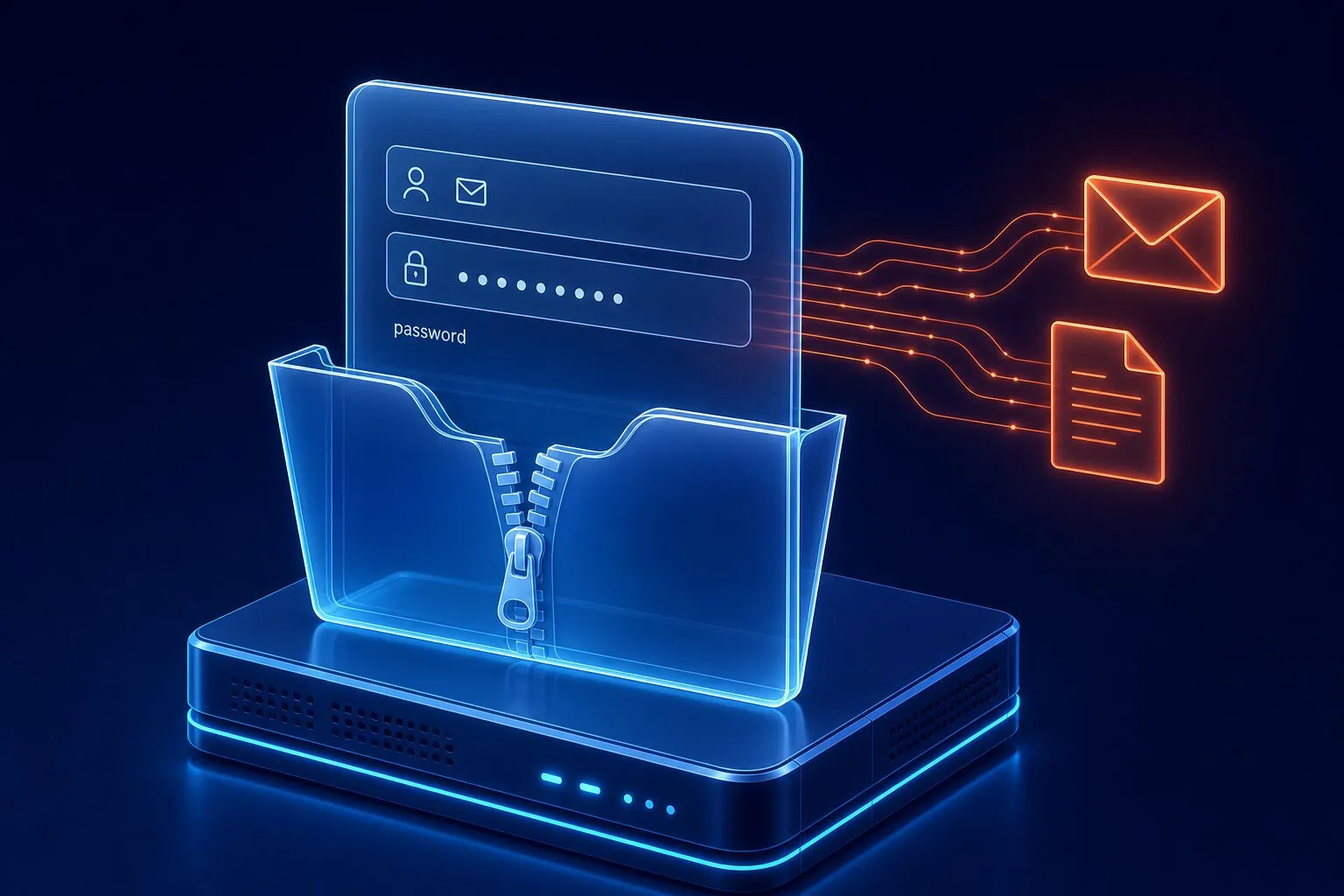
Anatomy of a Phishing Kit Found on a Hosting Account
A fake Office 365 sign-in found as a zip in a customer's public_html: how it collects passwords, where it sends them, how it hides from security scanners, and how to find and remove kits like it on your own server.
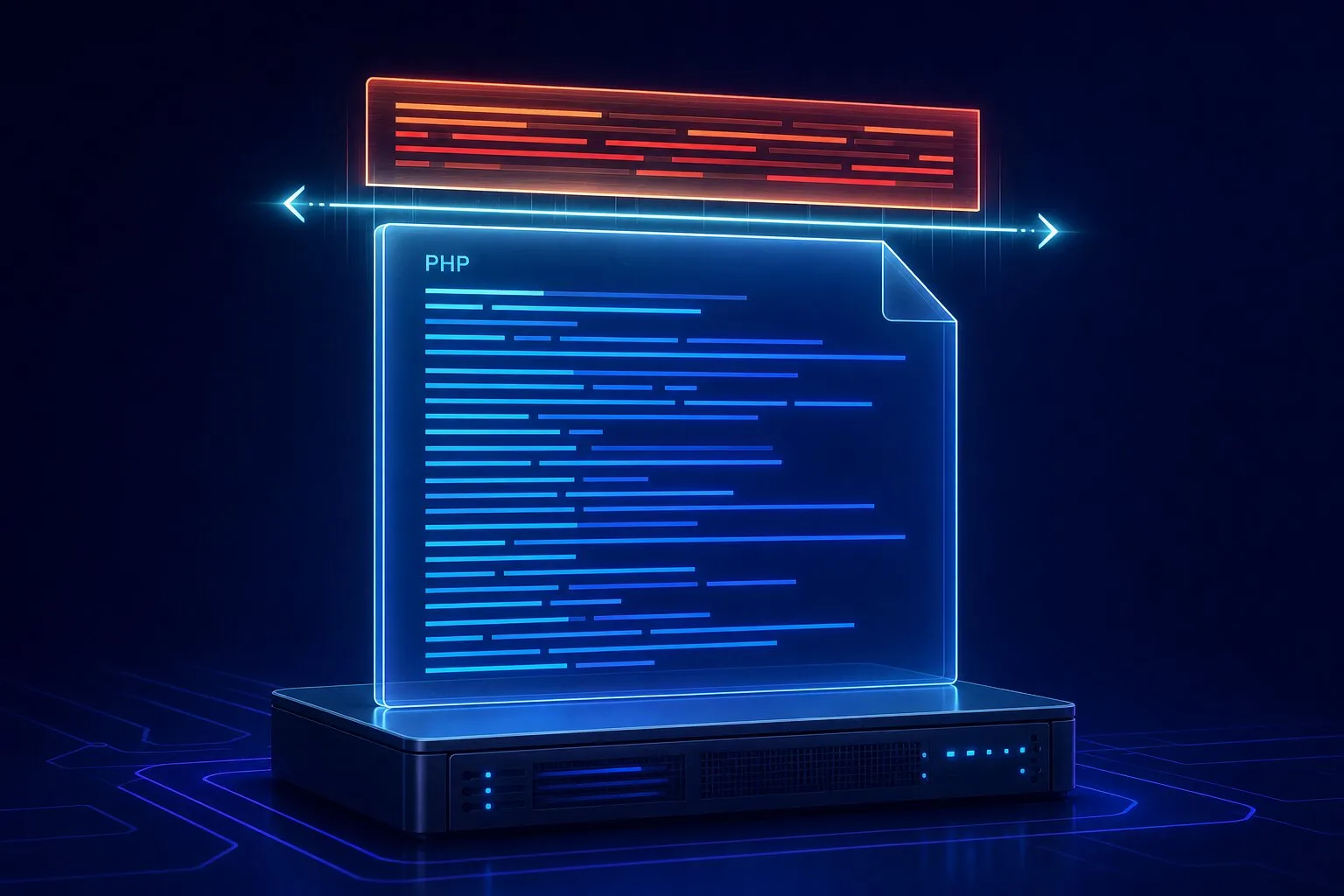
Malware Injected Into Core Files: Why Deleting Them Breaks the Site
A dropper campaign that injected itself into WordPress core files and every index.php of a Moodle site, up to 19 times per file. Why quarantining those files breaks the site, and how to remove only the injected code.

How to Deobfuscate PHP Malware, Step by Step
Two real samples from hacked hosting accounts, unpacked by hand: a custom decoder hidden behind fourteen evals, and a goto maze that loads its payload from an image on GitHub. Plus the free tool that does it for you.

PHP Malware That Looks Like a Binary File
PHP files that the file command calls a JPEG image, that open as garbage in an editor and that grep can't find anything in. Four real tricks from hacked hosting accounts, what each file really did, and how to find them on your server.
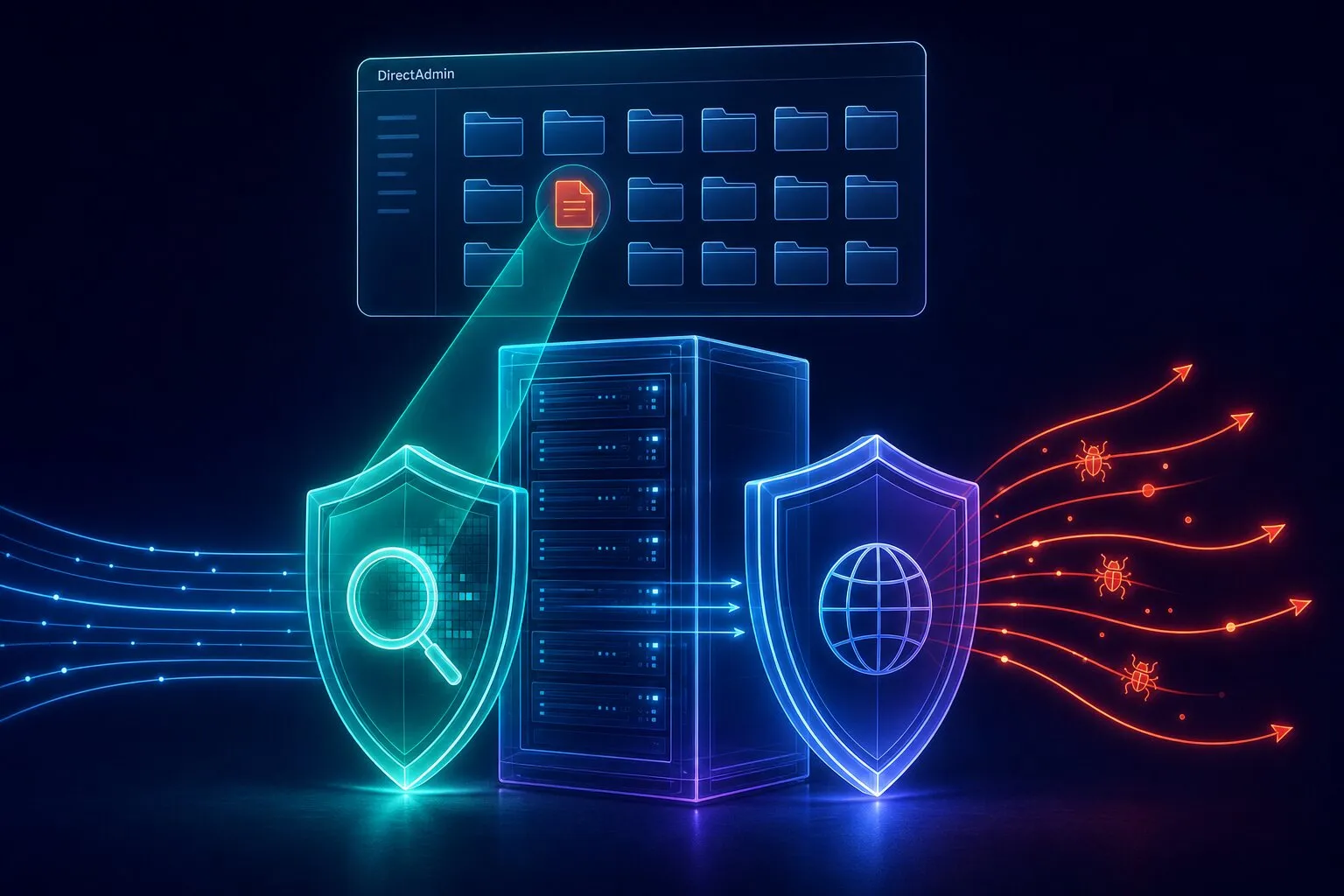
Pyxsoft Anti Malware and pxShield Now Run on DirectAdmin
Pyxsoft Anti Malware and the pxShield WAF are available for DirectAdmin, each with its own plugin inside the panel. What you get, how to install it, and how it fits with csf and every CustomBuild web server.
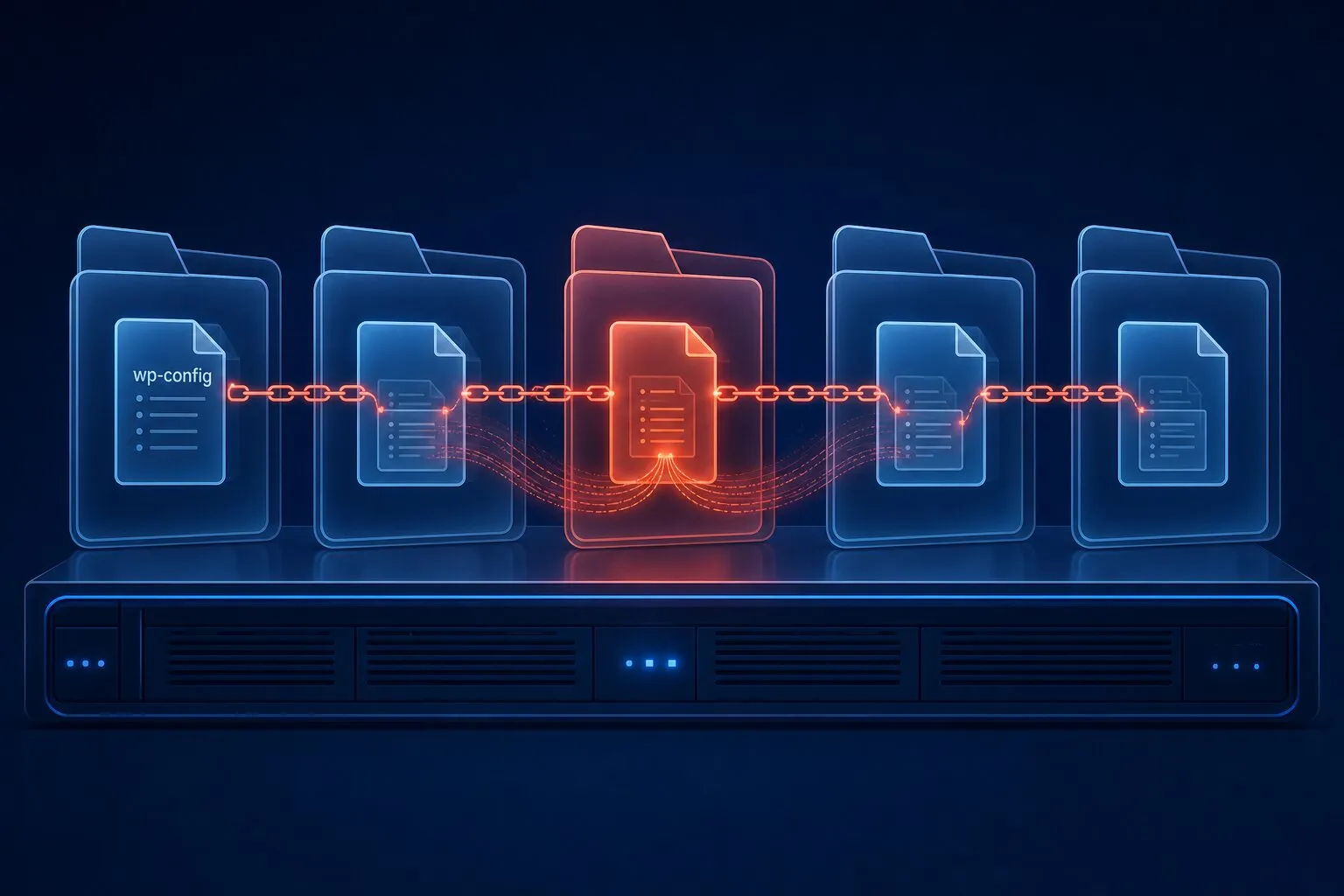
Symlink Attacks: How One Hacked Account Reads Every wp-config.php on the Server
A real 'Symlink Config Graber' found on a WordPress site: how symbolic links let one hacked account read the database passwords of every other account, why it works on shared hosting, and how to detect it and close it on cPanel.
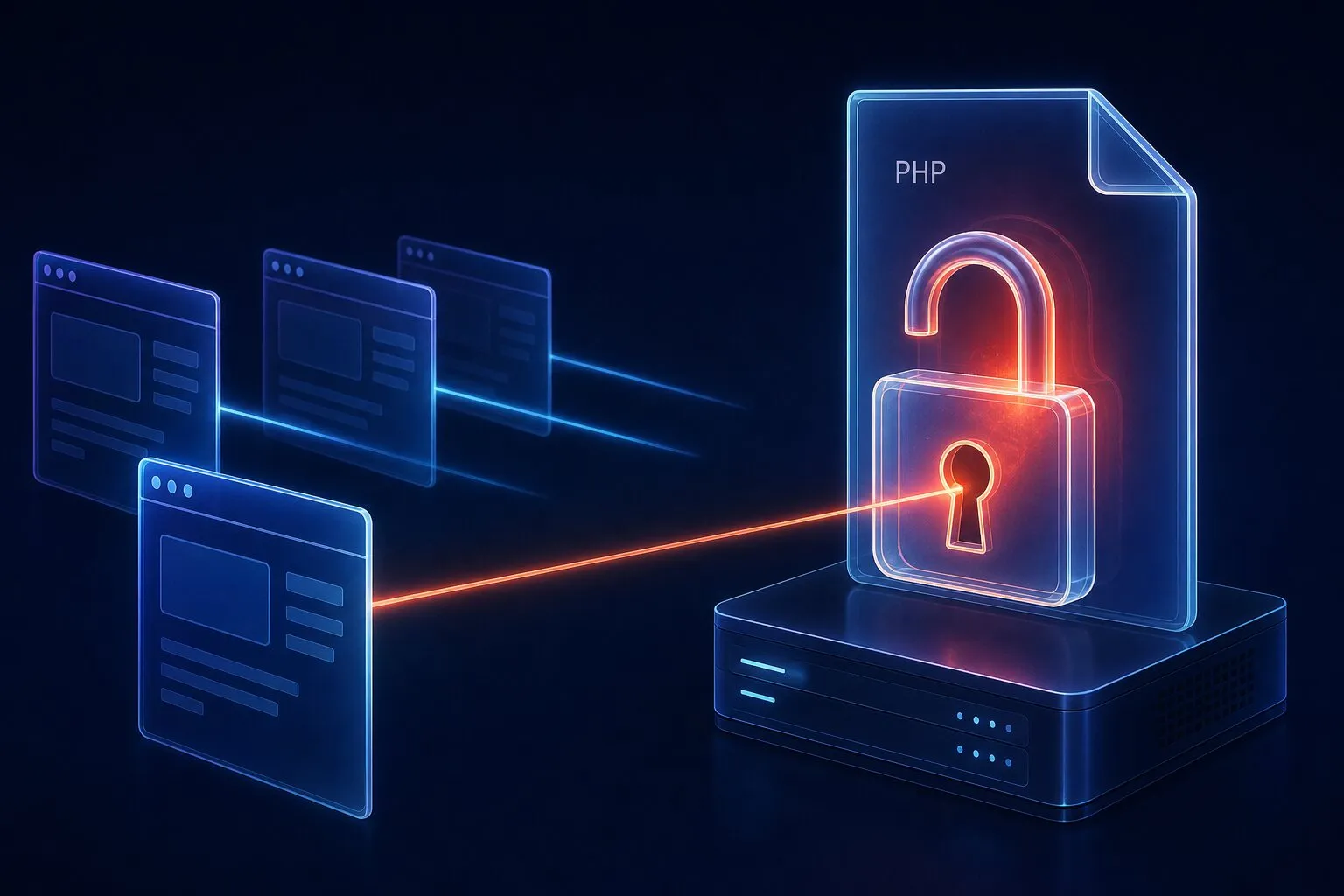
A PHP Backdoor That Takes Its Key From Your Browser
A WordPress backdoor kept its payload AES-encrypted and read the key from the User-Agent header. How the wrapper works, how we recovered the key without running it, and the SEO spam it hid.
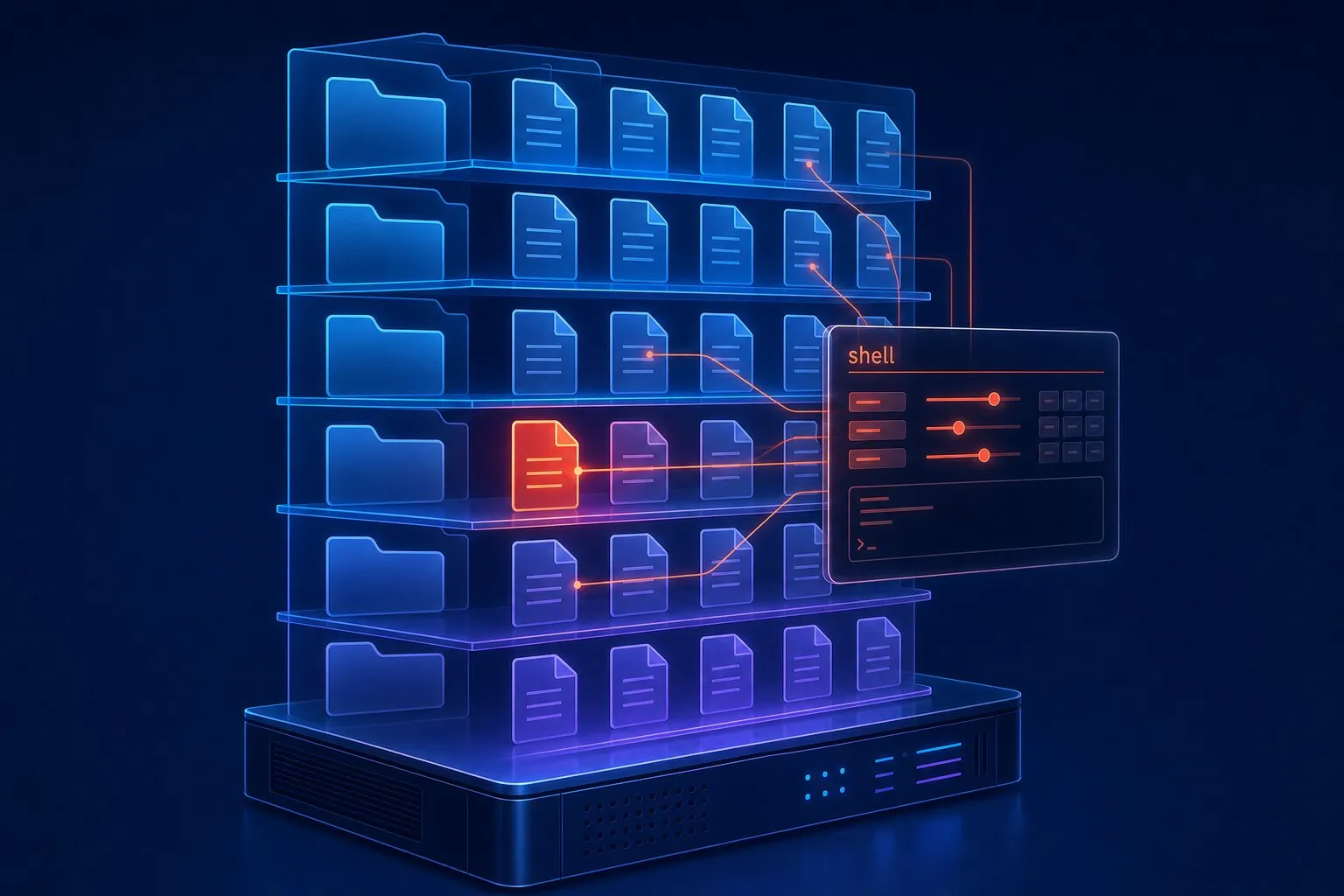
Hacking tools: WSO / FilesMan web shell
WSO is the web shell you actually find on a hacked cPanel account. A tour of its file manager, console, bruteforce and back-connect tools, why it hides so well, and how to find it.

Polymorphic PHP Malware: 19 Files, 19 Hashes, One Campaign
A polymorphic PHP malware campaign hid in fake .well-known folders and deleted Wordfence and Sucuri. How it evades scanners, what it does, and how to find it.
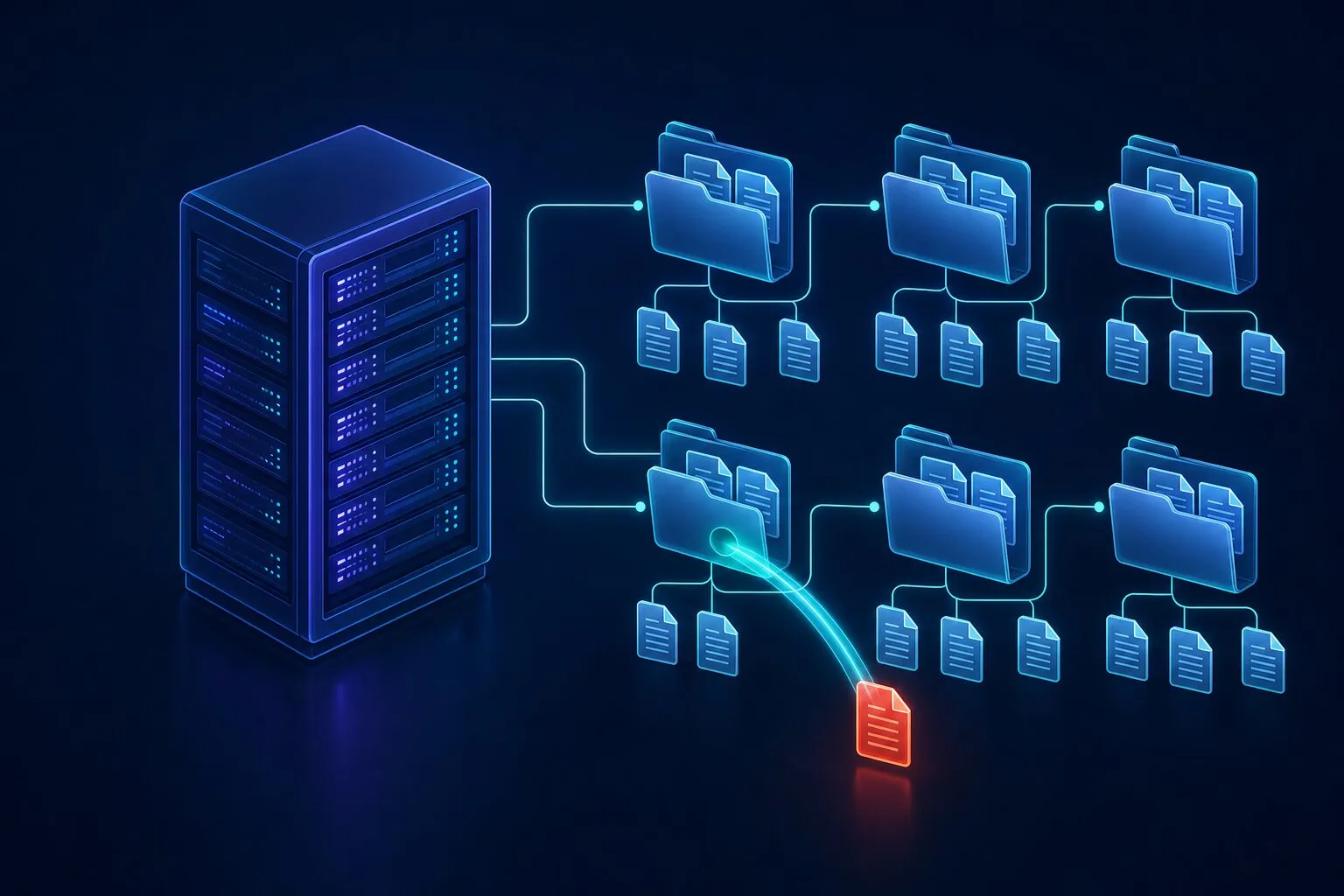
How to Find and Clean Malware on a cPanel Server Without Breaking Sites
A practical incident guide for cPanel/WHM administrators: find infected files with standard tools, tell injected code from pure malware, clean without taking sites down, and close the way back in.

Anatomy of a PHP Dropper: Eight Obfuscated Files, One Signature
We took apart a real PHP dropper family from WordPress uploads folders. Eight files with different hashes, no readable function names and no VirusTotal record reduced to one canonical form, and a single signature matched them all.

How to Scan a Server for Malware Without Slowing Down Your Sites
Why malware scans make hosting servers slow, how to measure the real cause, what nice, ionice and CPU quotas actually do, and measured numbers from a scanner built around a hard CPU limit.

Why a Hacked Site Gets Reinfected After You Clean It
You removed the malware and it came back. Real samples show why: injected code that reinstalls deleted files on every page view, payloads that delete themselves, and an entry point nobody closed.

Enabling Two-Factor Authentication (2FA) for root in cPanel/WHM
Learn how to enable Two-Factor Authentication (2FA) for WHM (cPanel) to enhance security, protect sensitive data, and prevent unauthorized access.
Installing Pyxsoft in AlmaLinux 9 with cPanel
Learn how to install Pyxsoft on AlmaLinux 9 with cPanel for enhanced security and malware protection.
Upgrading cPanel from CentOS 7 to AlmaLinux 8 with Pyxsoft WAF

Understanding WAFs and the Power of Pyxsoft
Log4Shell Vulnerability Protection

Brute Force Protection explained
Hacking tools: C99 Shell